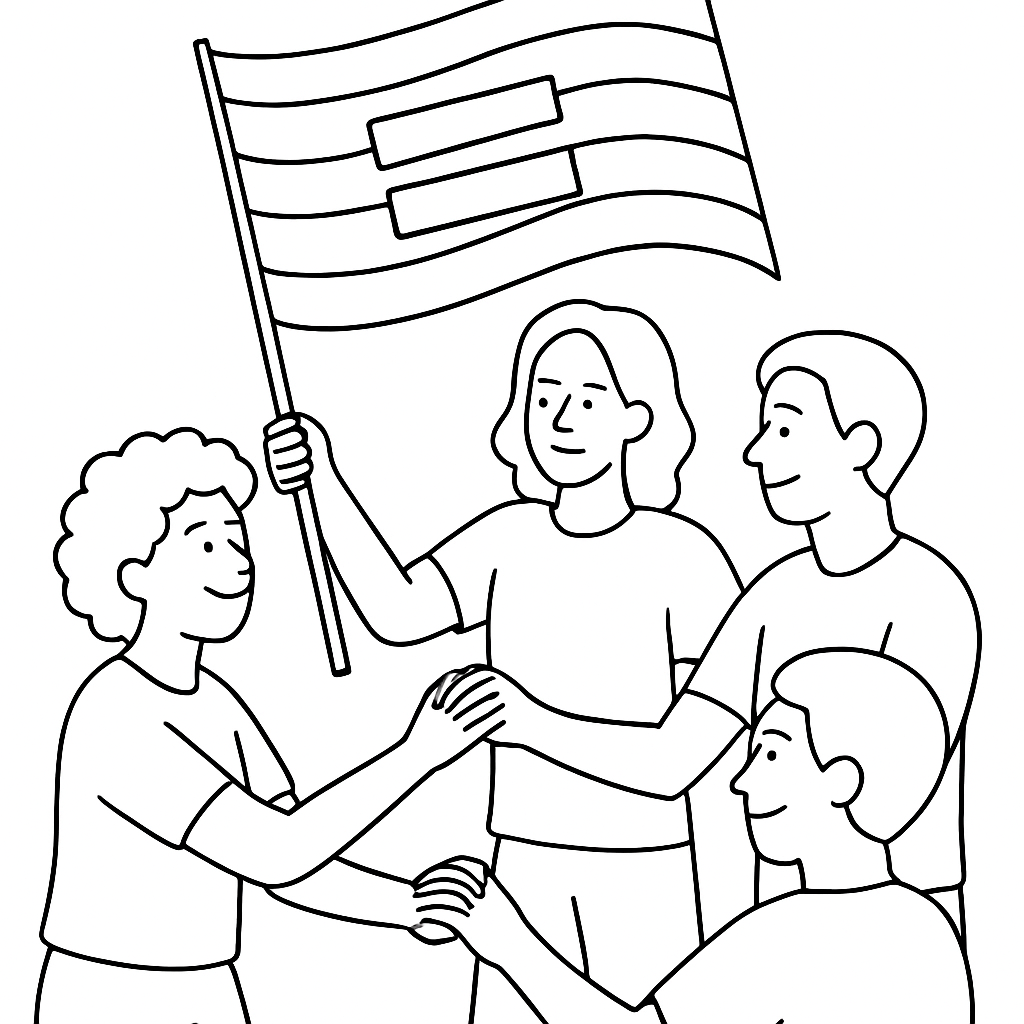
Volunteering is often framed as a simple exchange: time given, help received. But in reality, it is something much deeper. It is one of the few spaces where individual intention meets collective need. Where people do not just participate in society, but actively shape it.
When volunteers and organisations connect in meaningful ways, communities become more resilient. People feel less isolated, more seen, more capable of contributing something valuable. Organisations gain not only support, but perspective, diversity and renewed energy. These connections create social fabric — the kind that holds when systems are under pressure.
Yet despite this importance, volunteering is surprisingly hard to access. Many people want to help but do not know where to start. They worry about time, commitment, relevance or whether they are “qualified enough.” At the same time, organisations struggle to reach people who would genuinely fit their mission, values and needs. The result is not a lack of willingness, but a lack of connection.
This disconnect has consequences. It turns civic engagement into something that feels distant or overwhelming. It reinforces the idea that impact is reserved for a few, rather than something many can participate in. And it leaves both volunteers and organisations underutilised, despite their shared potential.
From a social perspective, volunteering is one of the strongest builders of trust and belonging. It allows people to step outside their usual roles and meet others through shared purpose. Especially for marginalised communities, volunteering can be a form of visibility, empowerment and mutual care. It transforms abstract values like solidarity and inclusion into lived experience.
What often stands in the way is not motivation, but infrastructure. The tools we use to connect people to causes rarely reflect how people actually live. Time is limited. Energy fluctuates. Values matter. People want to help in ways that feel aligned, sustainable and human.
I have been thinking a lot about what it would mean to lower that barrier. To make volunteering feel less like an obligation and more like an invitation. To create connections that respect both the needs of organisations and the realities of the people who support them.
I am currently working on something that moves quietly in that direction. It is an early attempt to rethink how volunteers and organisations find each other — not by pushing participation, but by making connection easier, clearer and more inclusive. There will be more to share soon.
For now, this is simply an acknowledgement of why the connection itself matters. Because when people find the right place to contribute, communities do not just function better. They feel more alive.