Neurodiversity
-
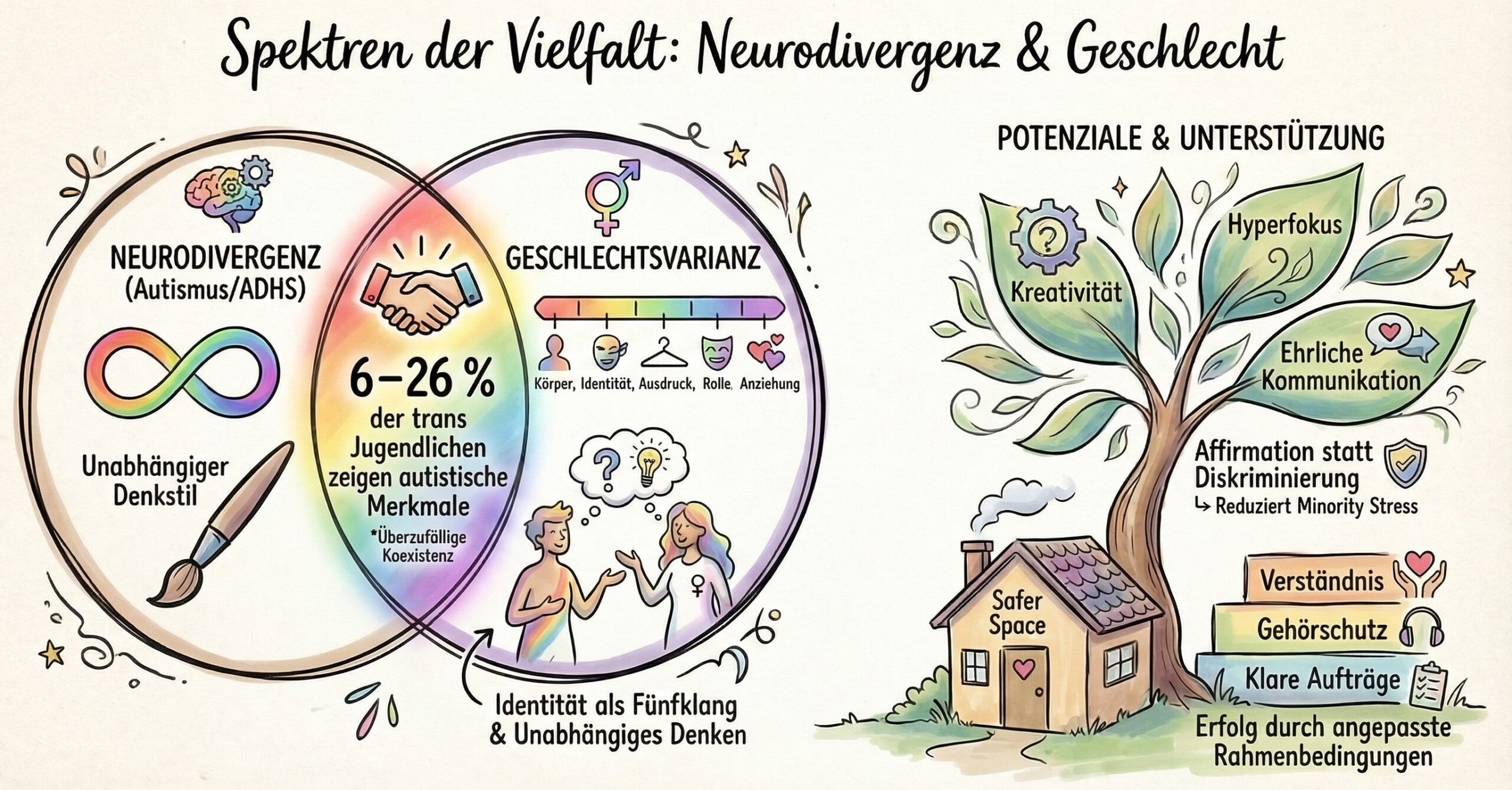

„Wer bin ich?“ – Ein Rückblick auf die Tagung zu Neurodivergenz und Geschlechtsidentität
Am 13. März 2026 fand in Zürich eine wegweisende Tagung statt, die sich einer der komplexesten Fragen unserer Zeit widmete: Wie hängen neurobiologische Vielfalt und die Entwicklung der Geschlechtsidentität bei Kindern und Jugendlichen zusammen?. Unter dem Titel „Wer bin ich?“ beleuchteten Expertinnen aus Medizin, Psychologie und Pädagogik die Schnittmengen zweier Spektren, die in der klinischen Praxis und…
-
Who am I? – A reflection on the conference on neurodivergence and gender identity
On March 13, 2026, a groundbreaking conference took place in Zurich, addressing one of the most complex questions of our time: How are neurobiological diversity and the development of gender identity connected in children and adolescents? Under the title “Who am I?”, experts from medicine, psychology, and education explored the intersections of two spectra that…
-
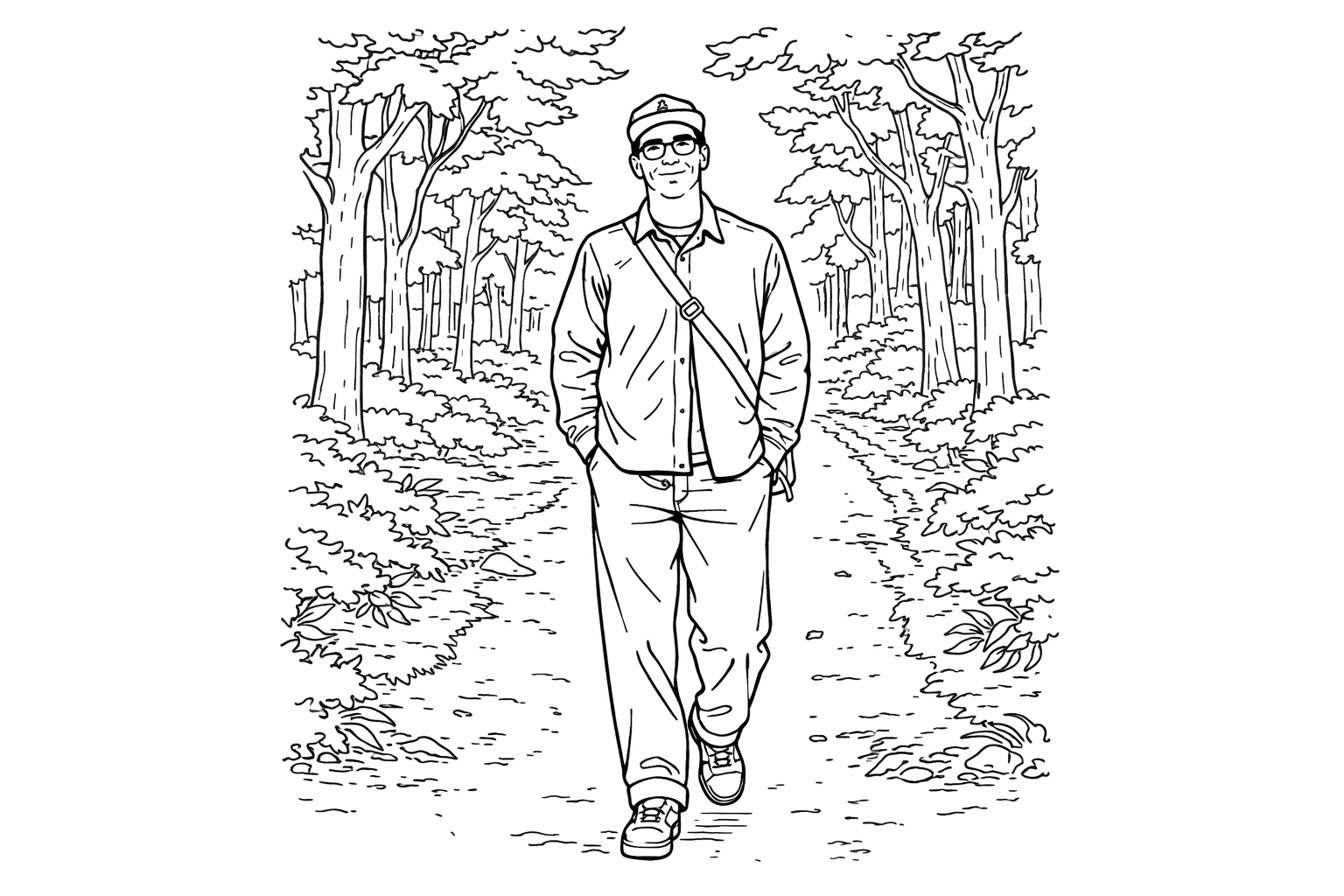
Walking as a Cognitive Tool
I started walking more intentionally when I realised that thinking does not happen best when I am still. Sitting at a desk, trying to force clarity, often leads me in circles. Movement, on the other hand, seems to loosen something. Not in a dramatic, inspirational way, but quietly and reliably. Once a week, I try…
-

ADHD Medication, Wellbeing, and the Weight of Stigma
Writing about medication still feels exposed. Not because it is controversial in a medical sense, but because it touches something deeply personal: the idea that needing support somehow reflects a personal failure. I want to start clearly and responsibly. I am not a doctor, not a psychiatrist and not a medical professional. This is not…
-
ADHS-Medikation, Wohlbefinden und das Gewicht von Stigma
Über Medikamente zu schreiben fühlt sich immer noch verletzlich an. Nicht, weil das Thema medizinisch besonders kontrovers wäre, sondern weil es etwas sehr Persönliches berührt: die Vorstellung, dass Unterstützung zu brauchen irgendwie ein persönliches Versagen sein könnte. Ich möchte das klar und verantwortungsvoll festhalten: Ich bin kein Arzt, kein Psychiater und keine medizinische Fachperson. Das…
-

Gen Z und Mental Self‑Care 2025: Gedanken zu Achtsamkeit auf Social Media
Zwischen Vergleichen, Chaos und kleinen Lichtblicken: Wie ich über Social Media nach und nach gelernt habe, achtsam zu bleiben – und was das für mich bedeutet.
-
Gen Z and Mental Self-Care 2025: Thoughts on Mindfulness on Social Media
Zwischen Vergleichen, Chaos und kleinen Lichtblicken: Wie ich über Social Media nach und nach gelernt habe, achtsam zu bleiben – und was das für mich bedeutet.
-

Minimalism Isn’t Aesthetic—It’s Nervous System Care
For a long time, I thought minimalism was about taste. The right shade of beige, clean lines, curated objects. Something sleek, tidy, and slightly out of reach. The kind of room that looks perfect on Instagram but doesn’t feel lived in. But then I started noticing something deeper. When I entered a space with less—less…
-

NeuroSpace Guided Imagination, Part 3: Home – a Space That Holds Me
It is evening. You close the door behind you—and with it, the weight of the day slips from your shoulders. No more masking. No silent expectations. No overload. Just you. In this guided imagination, NeuroSpace leads us home. Not into a perfectly styled Instagram living room, but into a space that truly belongs to you.…
-

NeuroSpace Guided Imagination, Part 2: A School Where I Can Breathe
When we talk about school, many people think of rigid schedules, inflexible rules, noise, and performance pressure. Of constant comparison. Of the feeling of being “wrong” because you’re too loud, too quiet, too slow, or simply too different. For many neurodivergent people, masking begins right there: during school years. Early on, we learn that our…